
If you’re thinking about improving your home, one of the first questions you’ll probably ask is: “Do I need planning permission for this?” Whether you’re dreaming of a larger kitchen, converting your loft into an extra bedroom, or finally turning the garage into a usable space, understanding the rules early on can save a lot of time and stress later.
The good news is that not every home improvement project needs full planning permission. Many smaller changes can be carried out under something called permitted development rights, which allow certain types of work to go ahead without a formal application. However, the rules aren’t always straightforward, and what applies to one property may not apply to another.
Things like the size of the project, the type of home you own, and whether your property is in a conservation area can all affect whether permission is needed.
At 1Horizon Design & Build, our experienced builders in Northampton have spent over 15 years helping homeowners across Northamptonshire transform their properties through carefully managed design-and-build projects. We know that planning rules can sometimes feel confusing, especially if it’s your first major renovation. That’s why we work closely with Amico Design, which supports many of our projects with architectural drawings, planning applications, and design expertise.
In this guide, we’ll explain when planning permission may be required, how the process works, how much it costs, and how long it usually takes. We’ll also look at some of the most common projects homeowners ask about before starting work.
Do I Need Planning Permission Before Starting My Project?
Planning permission ensures that building work is suitable for the surrounding area and meets local development policies. Before approving a project, your local authority will usually consider factors such as appearance, size, traffic, privacy, and how the work could affect neighbouring homes.
That might sound intimidating, but many home improvements can actually be completed without full planning permission.
Under permitted development rights, homeowners can carry out certain building works without applying to the council. These rights are set out in national legislation and cover a wide range of smaller projects and alterations. In this guide we will answer these different questions:
- When Do You Need Planning Permission
- How To Get Planning Permission
- How Much Does Planning Permission Cost?
- How Long Does Planning Permission Take?
- How Long Does Planning Permission Last?
- Planning Permission And Building Regulations: What’s The Difference?
When Do You Need Planning Permission?
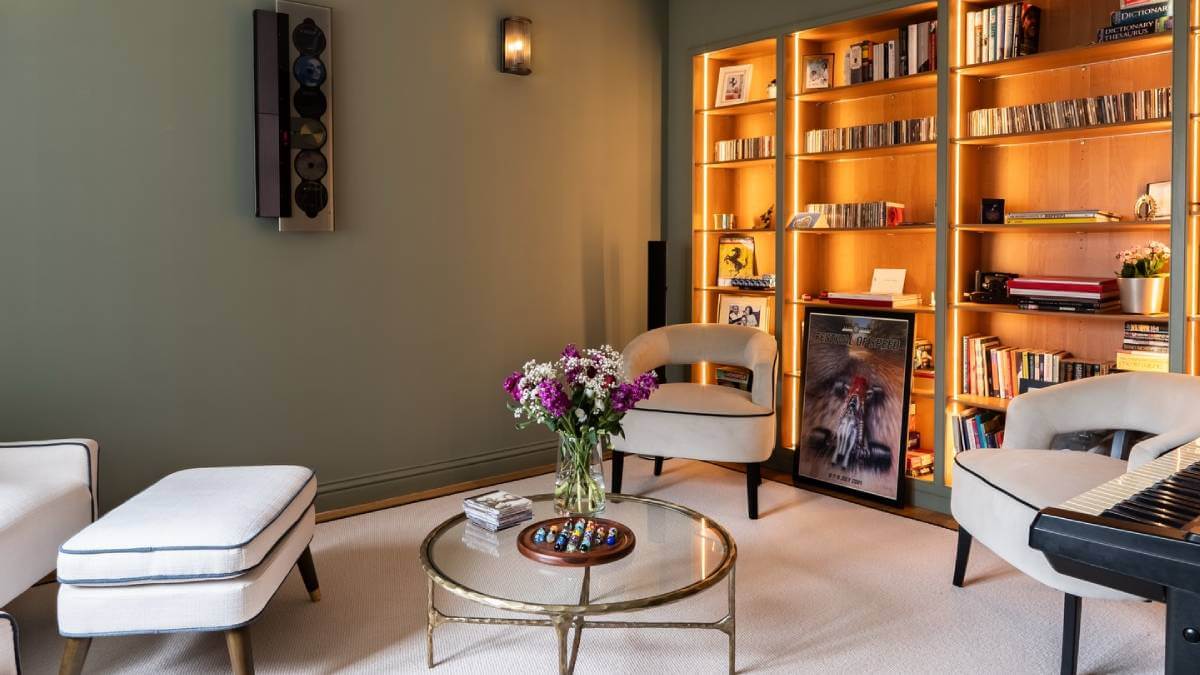
Planning permission in the UK is usually required when a project significantly changes the appearance, size or use of a property. While many smaller home improvements fall under “permitted development” rights, larger extensions, loft conversions, or projects that impact neighbours and the surrounding environment will often need formal approval from your local authority.
Do I Need Planning Permission For An Extension?
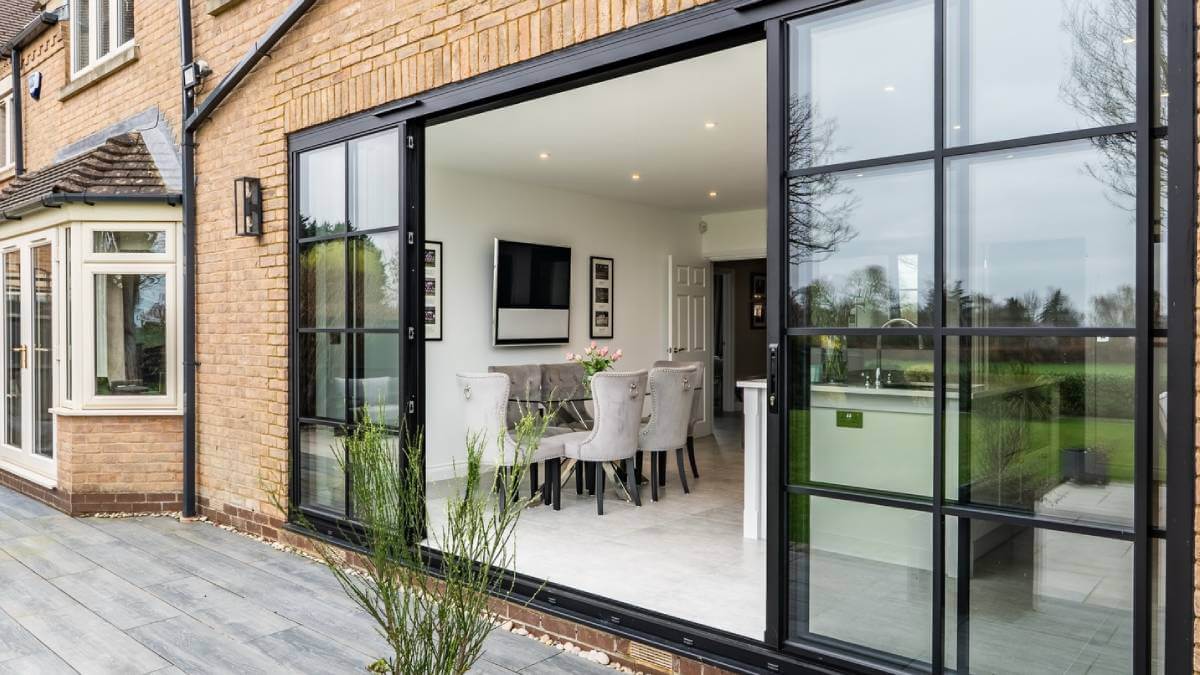
Home extensions remain one of the most popular ways to add space and improve how a home works day to day. Whether it’s creating a larger kitchen, adding a dining area, or making room for a growing family, an extension can completely change the feel of a property.
In many cases, smaller extensions can be built under permitted development rights. This is often possible if the extension stays within certain size and height limits and uses materials that match the existing property.
For example, many single-storey rear extensions can move forward without full planning permission, especially on detached or semi-detached homes. But once a project becomes larger or starts significantly changing the appearance of the house, permission is more likely to be required.
It’s also important to remember that planning permission and building regulations are two different things. Even if your extension falls under permitted development, you’ll still need building regulations approval to make sure the work is structurally safe and energy efficient.
At 1Horizon Design & Build, we always encourage homeowners to check the details properly before starting work. Something as simple as the location of a boundary or the height of a roofline can change whether permission is needed.
For additional guidance, the Planning Portal has useful information on extension rules and permitted development allowances. If you are thinking about adding an extension on to your home, read our article on extension ideas.
Do You Need Planning Permission For A Loft Conversion?
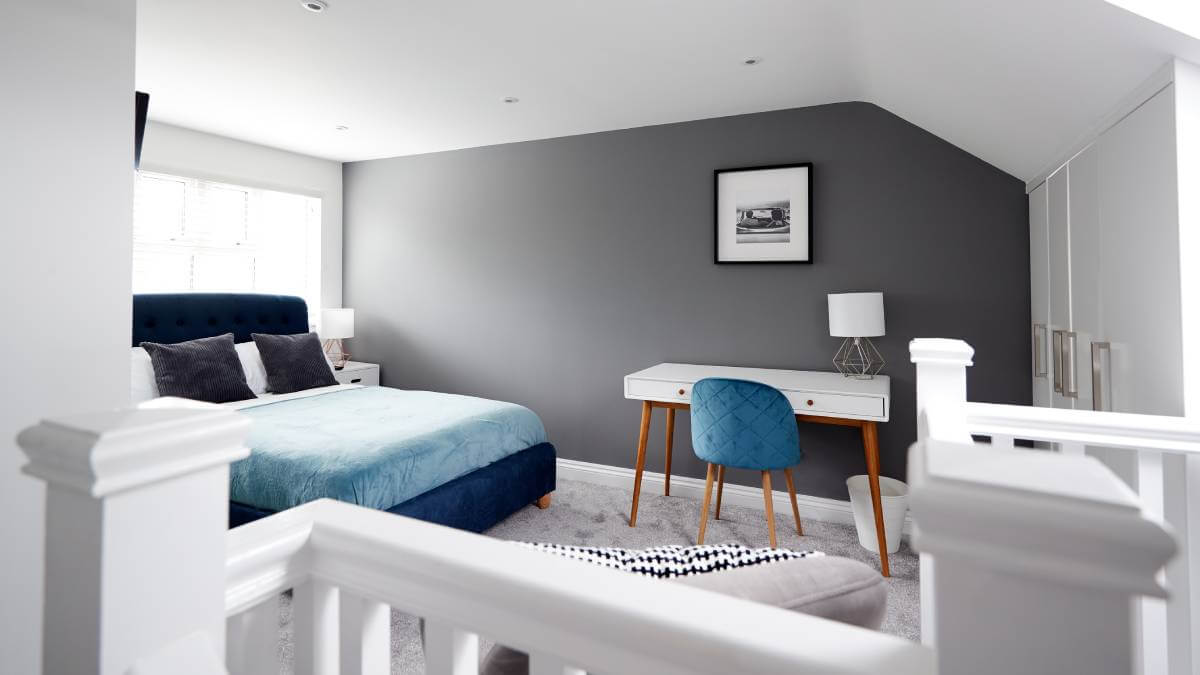
Loft conversions are a fantastic way to make use of unused space without sacrificing part of your garden. For many homeowners, converting the loft is more affordable and practical than moving house altogether.
A well-designed loft conversion can become:
- An extra bedroom
- A guest suite
- A home office
- A quiet reading room
- A playroom for children
The good news is that many loft conversions can also be completed under permitted development rights.
This usually applies when:
- The roof height isn’t raised significantly
- The extension stays within volume limits
- Materials are similar to the existing property
- The conversion doesn’t dramatically alter the front of the house
Rear dormer loft conversions are particularly common under permitted development. However, more substantial changes to the roof shape, such as mansard conversions, often require planning permission.
Homes in conservation areas or listed buildings are also likely to face additional restrictions.
At1Horizon Design & Build, we believe a loft conversion should feel like a natural part of the home rather than an afterthought. Careful planning is essential, especially for staircase positioning, natural light, insulation, and storage. These are all factors that can change how the property feels inside.
That’s why professional drawings and structural planning are such an important part of the process from the very beginning.
For homeowners seeking design inspiration, RIBA offers practical advice on residential layouts and modern living spaces.
Do You Need Planning Permission To Convert A Garage?
Garage conversions have become increasingly popular over the last few years, especially as more people work from home or need extra flexible living space.
Common garage conversion ideas include:
- Home offices
- Utility rooms
- Playrooms
- Home gyms
- Guest bedrooms
- Second lounges
In many cases, internal garage conversions do not require planning permission because the overall structure already exists. However, there are still situations where permission may be needed. This can include:
- Significant external alterations
- Converting the garage into a separate dwelling
- Homes in conservation areas
- Properties with existing planning restrictions
Some councils may also consider parking arrangements before approving a conversion, particularly if losing the garage would reduce off-road parking availability.
As experienced builders in Northampton, we always focus on making converted spaces feel fully connected to the rest of the home. The best garage conversions don’t feel like converted garages at all — they feel like they’ve always belonged there.
For advice on improving insulation and energy efficiency during renovation projects, the Energy Saving Trust has some helpful resources for homeowners.
How To Get Planning Permission
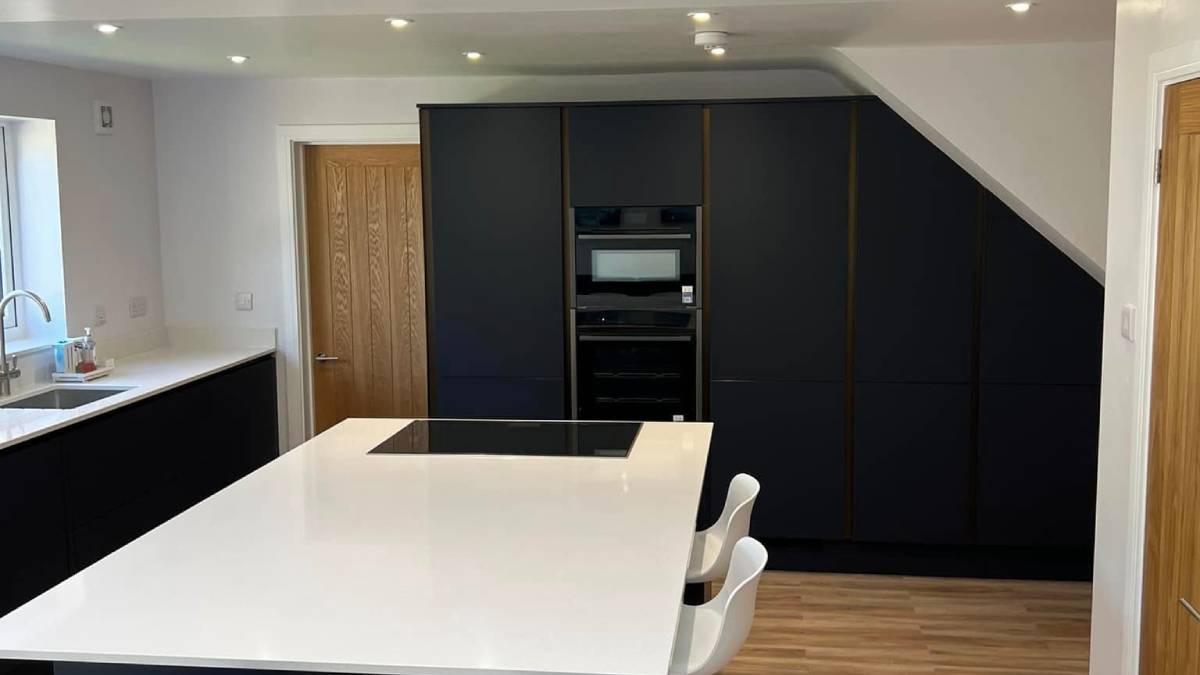
If your project does require planning permission, the process can feel overwhelming at first. But in reality, it becomes much simpler once you understand the individual steps involved.
Planning rules are set out in national legislation and allow councils to assess how developments may affect local areas. While that sounds formal, the process is usually very manageable when you have the right guidance and preparation in place.
Check Whether Permission Is Needed
The first step is working out whether your project actually needs planning permission or falls under permitted development rights. This depends on several factors, including:
- The size of the project
- The type of property
- Your location
- Existing restrictions on the property
Prepare Architectural Drawings
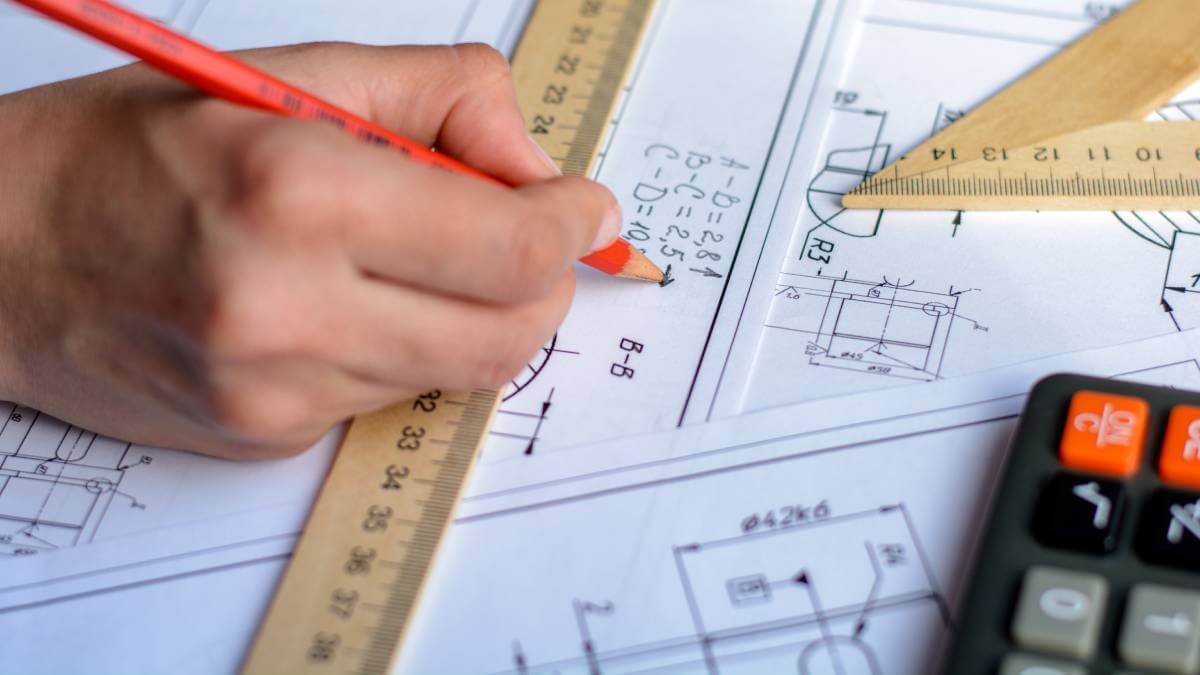
If permission is needed, detailed drawings will usually need to be submitted with the application. These drawings often include:
- Existing floor plans
- Proposed layouts
- Elevations
- Site plans
- Design statements
Good-quality drawings are incredibly important because they allow planning officers to clearly understand the proposal.
Submit The Application
Most planning applications in England are submitted online through the Planning Portal.
Once submitted, your local authority will review the plans and may consult neighbours and other departments before making a decision.
This process helps councils assess whether the proposal aligns with local planning policies and whether it could negatively affect the surrounding area.
Wait For A Decision
After reviewing the application, the council will usually:
- Approve the plans
- Approve them with conditions
- Request amendments
- Or refuse the application
If changes are requested, updated drawings can often be submitted to address any concerns.
At 1Horizon Design & Build, we understand that communication is a huge part of making the planning process feel less stressful. Keeping clients informed and helping solve problems early are priorities throughout every project.
How Much Does Planning Permission Cost?
One of the biggest concerns homeowners often have is cost.
The actual planning application fee for a standard householder project is usually relatively modest. However, the total cost of obtaining planning permission can vary depending on the project’s complexity and the professional services involved.
Additional costs can include: Architectural drawings, Structural calculations, Surveys and reports, Design consultations and Planning consultant fees.
Larger or more complex projects may also require specialist reports such as flood risk assessments or heritage statements.
Although these costs can add up, investing in proper planning early on often helps prevent expensive problems later during construction.
At 1Horizon, we always believe that careful preparation is one of the best investments you can make in a building project.
How Long Does Planning Permission Take?
Projects involving listed buildings, conservation areas, or major structural changes can often take longer. Delays can happen if:
- Additional information is requested
- Amendments are needed
- Objections are raised
- Specialist reports are required
It’s also important to remember that planning permission is only one part of the overall timeline. Architectural design, building regulations approval, and scheduling construction work all need to be factored in.
At 1Horizon, we always encourage homeowners to start the planning process early if possible. Giving yourself enough time at the beginning usually leads to a much smoother project overall.
For current planning guidance and expected timescales, homeowners can visit GOV.UK Planning Guidance.
How Long Does Planning Permission Last?
In most cases, planning permission lasts for three years from the date it is granted by the local authority.
This means construction work normally needs to begin within that period. If work hasn’t started before the permission expires, a new application may be required.
There are some exceptions, although they’re relatively uncommon. If special conditions apply to your approval, they should be clearly explained in the council’s decision notice.
There are also different types of planning permission to be aware of.
Full Planning Permission
Full planning permission gives approval for the complete design and proposal. Once approved, construction work generally needs to begin within three years.
This is the type of permission most homeowners will deal with for extensions, loft conversions, and garage conversions.
Outline Planning Permission
Outline planning permission is more common for larger developments. It confirms whether a project is acceptable in principle before the finer details are approved later.
If outline permission is granted, there is usually a three-year window to submit reserved matters such as:
- Layout
- Appearance
- Landscaping
- Access
- Scale
Understanding these timelines early can help homeowners plan budgets, schedules, and construction work more effectively.
Planning Permission And Building Regulations: What’s The Difference?
Planning permission and building regulations are often confused, but they actually cover very different parts of a project. Planning permission focuses on:
- The impact on the surrounding area
- Appearance and size
- Local planning policies
- Neighbouring properties
Building regulations focus on:
- Structural safety
- Fire protection
- Ventilation
- Insulation
- Drainage
- Energy efficiency
So even if your project doesn’t require planning permission, it may still need building regulations approval. This is why professional advice is so valuable at the start of any project. Understanding the rules early can help avoid delays, redesigns, and unexpected costs later on.
Start Your Project With Confidence
Whether you’re planning an extension, loft conversion, garage conversion, or a larger renovation, understanding the planning process early can help everything run more smoothly from the start.
At 1Horizon, our builders in Northampton have spent more than 15 years helping homeowners across Northamptonshire improve and transform their properties through thoughtful design and build services.
From the first ideas through to the finished result, our aim is always the same: to make the process feel clear, manageable, and exciting.
If you’re considering a home improvement project and want friendly expert advice, get in touch with the team at 1Horizon today.